

- Home
- Door refinishing
Door refinishing for buildings that stay open
Guest room doors, corridor doors, condo and apartment entry doors, office suites and stairwells. We wrap the door and frame in a new finish and the room goes back into service the same day.
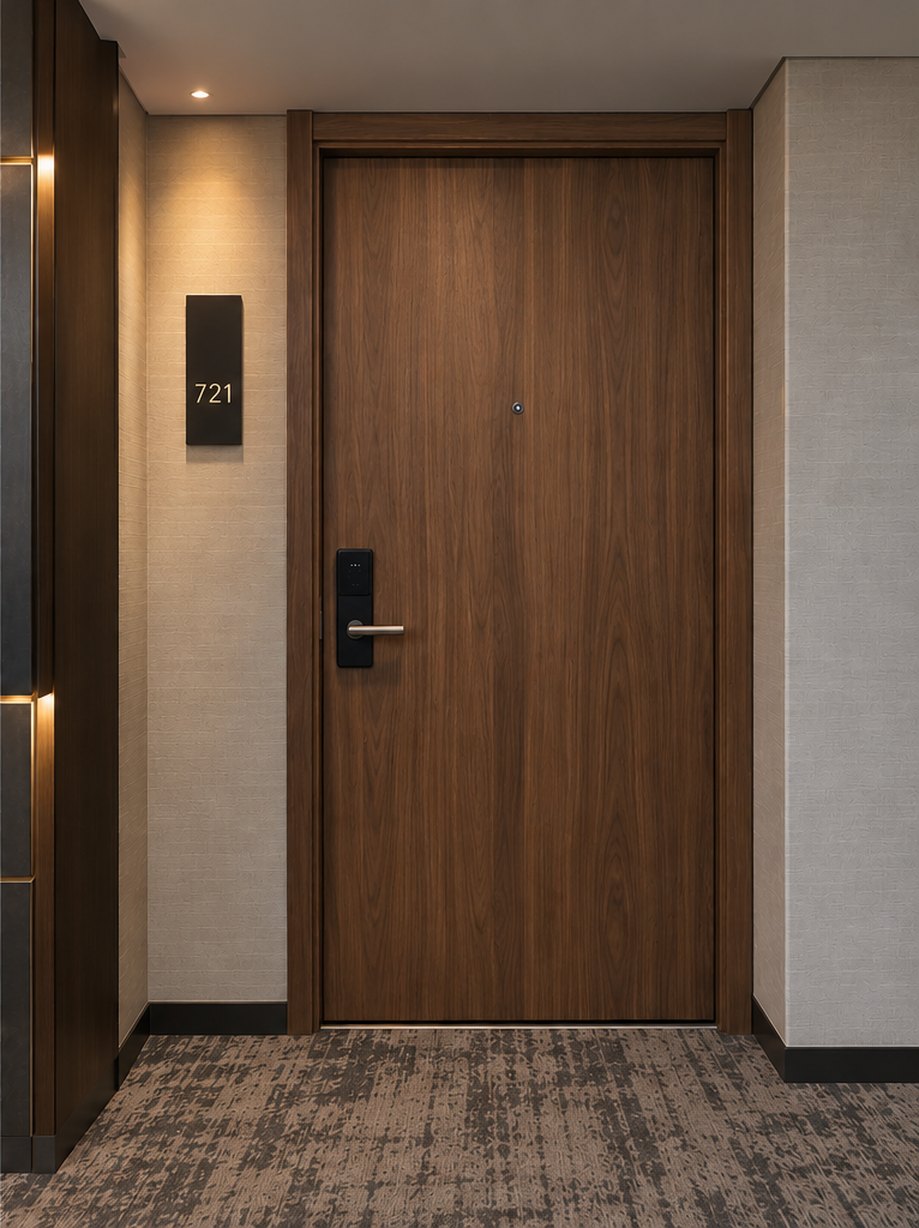
Flat gray to walnut,
in one visit.
This guest room door and its frame went from a plain painted gray to a warm walnut grain. The lock, the lever and the room sign stayed right where they were.
- Door and frameBoth wrapped, so they match.
- Same hardwareTaken off, then put back.
- Same dayBack in service that night.
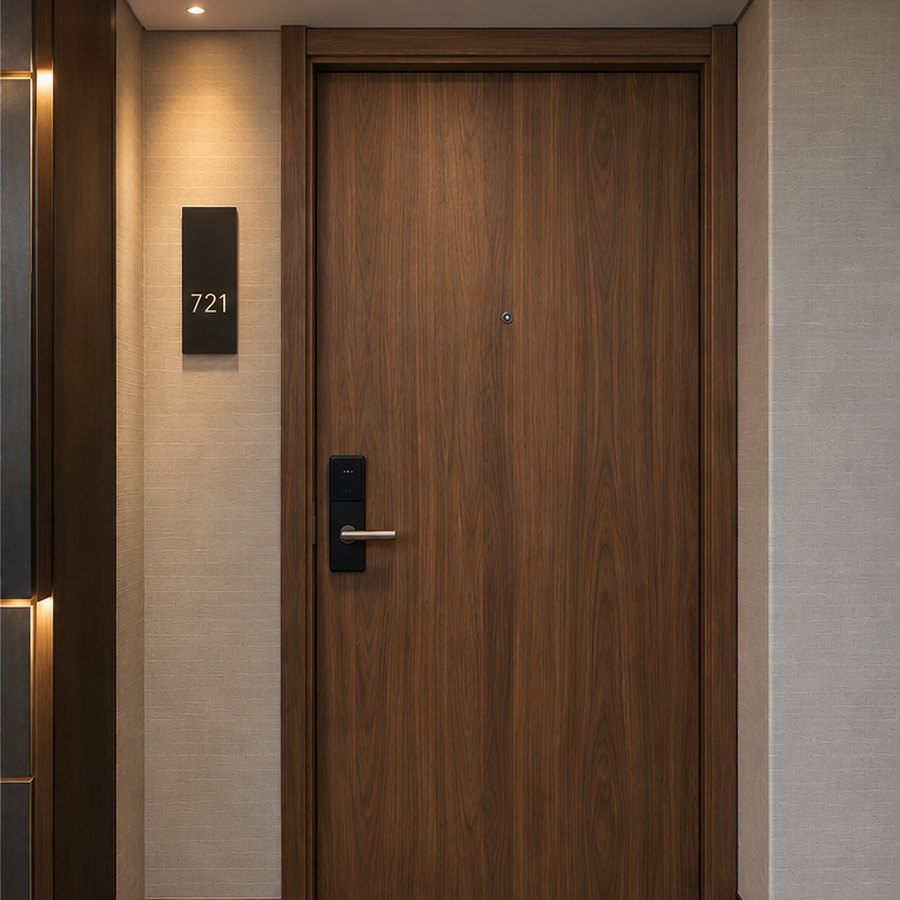
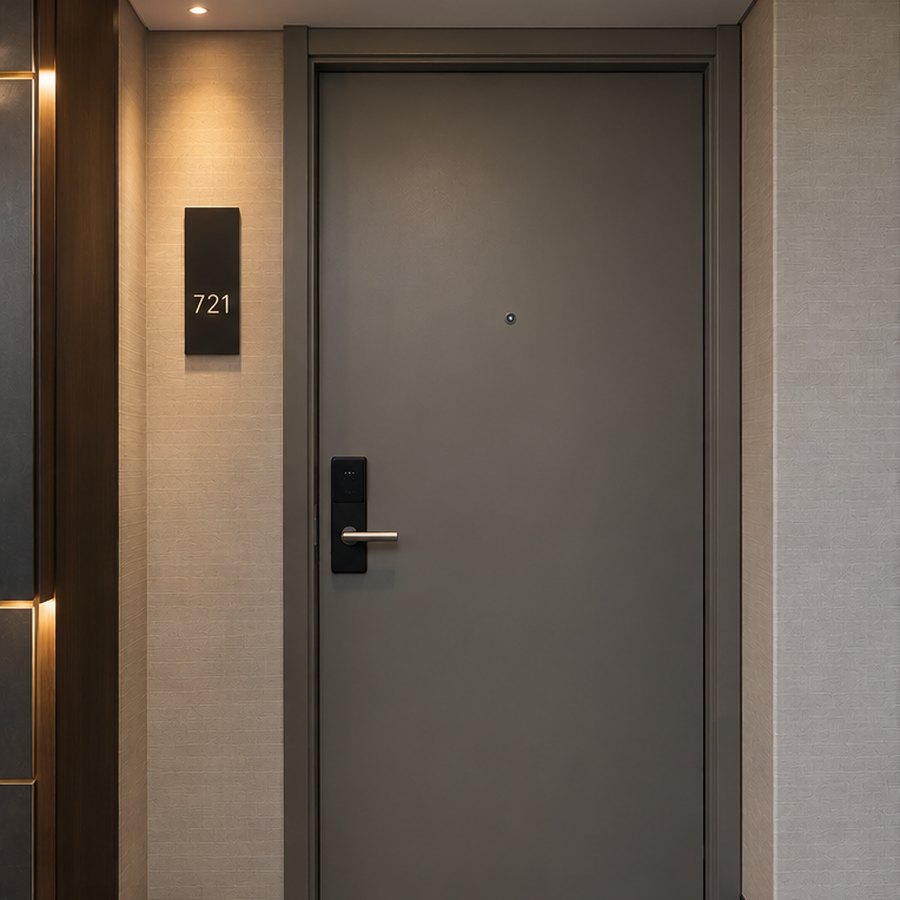 BeforeAfter
Why owners refinish their doors
A guest room door takes hits from luggage, room service carts and housekeeping every single day. After a few years it looks worn out, or just out of style. Replacing it means a new slab, new hardware, paint and a room off the market. We wrap the door you already have.
What gets wrapped, and what doesn't
The door face, both vertical edges and the top edge get film. The frame and jamb are wrapped as separate pieces so the seams land where they won't catch a cart.
Hardware comes off and goes back on. That means the lock or card reader, the lever, the closer, the kick plate and any signage. Fire labels never get covered. Hinges stay put.
A door, start to finish
This is the order we follow on every door. On hotel floors we run several doors at once, staggered so each room is out for as little time as possible.
Room comes off the board
The front desk or property manager releases the room. Nobody's inside while we work.
Hardware off
Lock, lever, closer, kick plate and signage are removed and kept together for that door.
Prep
We clean and degrease the surface and prime the edges. Most doors need nothing more. If there's real damage, we fill it and sand those spots smooth, with dust control and quieter tools to keep noise and dust down. Most of the quality is decided here.
Film
The face is wrapped in one piece, then the edges, then the frame. Post heating locks the film around corners.
Hardware back on
Everything goes back where it came from and we check the door closes and latches the way it did before.
Room back in service
No cure time and no smell. The room can be sold that night.
Doors we wrap most
- Hotel guest room entry doors. Both the corridor side and the room side, plus the frame.
- Connecting and closet doors. Often done on the same visit as the entry door.
- Condo and apartment unit doors. One finish on every floor gives the whole hallway a lift.
- Senior living apartment doors. Some communities give each wing its own finish to help residents find their way.
- Office suite doors. Usually between tenants, or after hours.
- Stairwell and corridor doors. Painted hollow metal with years of scuffs.
- Back of house doors. Kitchens, laundry and service corridors take the hardest abuse.
- Elevator landing doors. Covered on our elevator page.
Picking a door finish
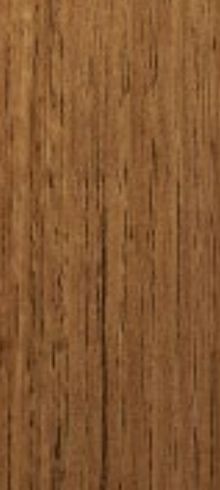
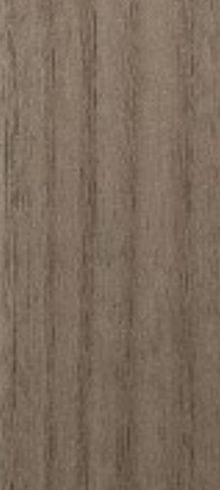
Wood grains with a real texture are the most forgiving. A scratch on a textured walnut reads as grain. A scratch on a smooth matte black reads as a scratch.
Mid tone and darker woods hide cart marks better than very light ones. If the brand standard calls for a light finish, we'll show you options with more texture so it holds up.
Frames often look best one shade darker than the door, or in a metal.
Door questions
Can you wrap metal doors?
Yes. Painted hollow metal doors and frames are some of the best surfaces for film. We clean them, fill any dents and chips, and smooth those spots so the film bonds tight.
Can you wrap fire rated doors?
In most cases, yes, using Class A film. Labeled fire doors are covered by NFPA 80, so we check every label before we quote, leave the label exposed, and put back the hardware the door came with. On large fire door projects we suggest a quick conversation with your fire marshal first. We'll send the product data ahead of time.
More detail is on our fire rating page.
Do you need the room empty?
Yes. We can't wrap a guest room door with a guest inside, so we work with the front desk on which rooms come off the board each day. For condos and senior living we schedule unit doors with management and residents.
Will the film peel at the edges?
Not when it's installed right. We clean and prime the edges, wrap around them where the door allows, and post heat the film so it holds its shape. Edges and corners are where cheap jobs fail, so that's where we spend the most time.
What do you need for a quote?
The number of doors, a photo of a typical door from both sides with the frame in the shot, a rough size, and a photo of any fire label. Text it all to (561) 802-1148.
Get a door project priced.
Text a photo of a typical door from both sides, with the frame in the shot, and tell us how many there are. We'll send a ballpark within one business day.